Jamaican Food Favorites That Make Every Meal Exciting

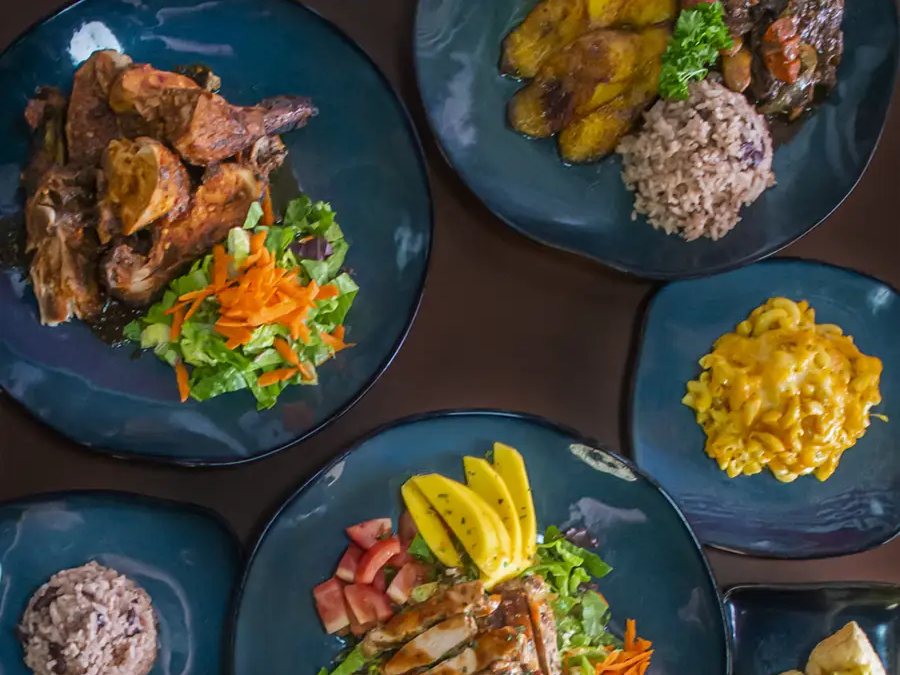

Jamaican food has a way of waking up the table. It is bold without being reckless, layered without feeling complicated for its own sake, and deeply rooted in history, geography, and survival. A good Jamaican meal can taste smoky, peppery, sweet, herbal, salty, and bright in the span of a few bites. That balance is what keeps people coming back. The food does not chase novelty. It leans on memory, technique, and ingredients that know exactly what they are supposed to do.
Anyone who has spent time around a Jamaican kitchen learns quickly that flavor starts long before the pan hits the flame. Seasoning is serious business. Time matters. Green onion, thyme, Scotch bonnet, allspice, ginger, garlic, and onions show up again and again, but they never feel repetitive because the treatment changes with the dish. A stew asks for patience. Jerk asks for fire and smoke. A breakfast of ackee and saltfish asks for restraint, so the ingredients can speak clearly.
That is part of what makes Jamaican food so exciting. The cuisine is expressive, but it is not chaotic. There is structure under the surface. Every iconic dish earns its place by delivering something distinct, whether that is the clean heat of pepper shrimp, the deep comfort of oxtail, or the irresistible contrast between flaky pastry and spicy filling in a fresh patty.
Why Jamaican food feels bigger than the plate
Jamaica’s food culture reflects African, Indigenous, European, Indian, and Chinese influences, among others. Those influences are not museum pieces. They live in daily cooking, roadside stalls, family gatherings, and restaurant menus. You can see them in the use of curry, in the love of rice dishes, in preserved fish, in dumplings, and in techniques built around braising, grilling, frying, and baking.
The island’s climate also leaves its mark. Tropical fruit, root vegetables, fresh herbs, hot peppers, and seafood shape the rhythm of the cuisine. So does necessity. Some of the most beloved dishes came from making the most of what was available, stretching ingredients carefully, and seasoning them so well that the meal felt abundant even when resources were tight.
That practical intelligence still defines the best Jamaican cooking. A great cook knows when to use more browning, when to cut the richness with acidity, when the pot needs another ten minutes, and when to leave it alone. Jamaican food can be festive, but it is also disciplined.
Jerk, the dish people know, and the tradition many miss
No discussion of Jamaican food can avoid jerk, but it deserves to be treated as more than a menu category. Jerk is a method, a flavor system, and a piece of cultural inheritance. The seasoning usually centers on allspice and Scotch bonnet, supported by thyme, scallion, garlic, ginger, and other aromatics. The meat, often chicken or pork, is marinated and cooked slowly over pimento wood when possible, which gives true jerk its unmistakable perfume.
That smoke matters. A lot of people outside Jamaica think jerk simply means spicy grilled meat with a dark crust. It is more specific than that. Good jerk carries heat, yes, but heat should never flatten the rest of the flavor. You should taste the sweetness of allspice, the green freshness of thyme and scallion, the savor of the meat, and the bitterness from char in measured amounts. If all you feel is fire, something has gone wrong.
Jerk chicken is the most common version for many diners, and for good reason. Chicken takes seasoning well, cooks relatively quickly, and develops that mix of juicy interior and blackened edges that makes jerk so addictive. Jerk pork, though, often has even more depth. The fat captures smoke beautifully, and the longer cook can yield a richness that lingers long after the meal is over.
When jerk is done well, the side dishes are not afterthoughts. Festival, those slightly sweet fried dough fingers, often arrive alongside jerk to cool the heat and add contrast. Breadfruit, roasted or fried, plays a similar role. Even a simple slaw can help sharpen each bite.
Ackee and saltfish, the national dish for good reason
Ackee and saltfish is one of the clearest examples of Jamaican cooking at its best. It is savory, aromatic, textured, and surprisingly delicate. Ackee, when cooked, becomes soft and buttery, almost like scrambled eggs in appearance, though the flavor is milder and more subtle. Saltfish, typically cod that has been salted and dried, brings salinity and chew. Onion, tomato, thyme, and Scotch bonnet round out the pan.
The first time many people try ackee and saltfish, they expect something heavier. Instead, the dish often feels balanced and almost elegant. The trick is not to overwork it. Ackee can break apart easily, and if the pan gets too aggressive, the dish turns mushy. The best versions leave the ackee in generous pieces, warm through the saltfish without drying it, and let the vegetables soften while keeping some shape.
Breakfast is when ackee and saltfish often shines brightest, especially with fried dumplings, boiled green bananas, yam, or breadfruit. Yet it can carry lunch just as easily. It has enough presence to satisfy, but not so much weight that it drags down the rest of the day. That flexibility helps explain why it remains a cornerstone of Jamaican food.
Curry goat and why patience wins
Curry goat announces itself before it even reaches the table. The aroma alone tells you whether the cook respected the process. Jamaican curry differs from many other curry traditions in both seasoning and texture. It is often earthier, with a deep yellow color and a gravy that clings rather than floods. Goat, with its distinctive flavor and firm texture, is ideal for slow cooking, but it can be unforgiving if rushed.
A proper curry goat needs time for the seasoning to penetrate and for the meat to tenderize. The sauce should not taste raw or dusty from undercooked spice. It should feel rounded, almost fused with the meat. Potatoes often go into the pot near the end, where they absorb the curry and thicken the sauce naturally.
This is one of those dishes where shortcuts show immediately. If the meat is tough, the connective tissue has not had enough time. If the sauce tastes thin, either the seasoning was timid or the reduction was incomplete. When done right, though, curry goat has a depth that justifies every minute it takes. It is especially good with rice and peas, which capture the gravy without competing for attention.
Rice and peas, more essential than ornamental
Rice and peas often gets described as a side dish, but that undersells it. In Jamaican cooking, it is structural. It anchors highly seasoned mains, carries sauce, and adds its own quiet complexity through coconut milk, thyme, scallion, and Scotch bonnet. In Jamaica, the “peas” are often kidney beans or gungo peas depending on the preparation and occasion.
The best rice and peas is fragrant first. Before the fork even goes in, you should smell coconut, herbs, and a gentle hint of pepper. The rice itself should be cooked through but not soft to the point of collapse. Mushy rice and peas throws off the whole plate. So does rice that feels dry and separate from the seasonings.
One reason the dish works so well is that it operates as a buffer. Jamaican mains can be intensely seasoned, richly braised, or noticeably spicy. Rice and peas steadies the meal. It gives your palate a resting place without becoming boring. In practice, it is often the difference between a plate that is simply delicious and one that feels complete.
Oxtail, the slow-cooked favorite that earns its richness
Few Jamaican dishes inspire the kind of devotion that oxtail does. The appeal is obvious once you have a proper plate in front of you. The meat should be soft enough to pull from the bone with little effort, but not so overcooked that it turns stringy. The gravy should be glossy, dark, and concentrated, often built with broad beans, aromatics, and time.
Oxtail is rich by nature, which means balance matters even more here than in leaner dishes. A skilled cook manages that richness with browning, herbs, pepper, and enough liquid control to keep the sauce intense rather than greasy. This is not a dish to rush or to cook timidly. It needs heat at the start for color, and gentle heat later for tenderness.
At restaurants, oxtail often sells out first for a reason. It satisfies in a very particular way. Not flashy, not delicate, just deeply complete. Served with rice and peas, steamed cabbage, or plantain, it becomes the kind of meal that resets your standards for comfort food.
Patties, the everyday star with serious range
The Jamaican patty is one of the most portable and recognizable expressions of the cuisine. The pastry is usually tinted yellow, flaky, and tender, enclosing fillings like seasoned beef, chicken, curry chicken, vegetables, or saltfish. The beef patty remains the standard bearer, but the format is more versatile than many people realize.
What separates a great patty from a forgettable one is proportion. The crust should shatter lightly without becoming dry or thick. The filling should be moist, properly seasoned, and generous enough to matter. Too often, mass-produced patties miss one side of that equation. They may nail the crust and skimp on the filling, or pack in the filling and lose the pastry texture that makes patties so satisfying.
Patties also reveal something important about Jamaican food culture. Not every memorable meal has to be elaborate. Sometimes excitement comes from convenience done well. A hot patty tucked into coco bread is a humble pleasure, but it is a real one. The spice, the texture, the warmth, the ease of eating it on the move, all of that counts.
Escovitch fish and the beauty of contrast
Escovitch fish delivers one of the most vivid combinations in Jamaican cooking. Whole fried fish, often snapper, is topped with a sharp dressing of vinegar, onions, carrots, and Scotch bonnet. The fish comes crisp and hot, while the topping brings acid, crunch, and heat. It is a dish built on contrast, and it works because each part remains distinct.
There is no hiding sloppy technique here. The fish has to be fried properly so the skin stays crisp and the flesh remains moist. The pickled topping must be assertive but not so acidic that it overwhelms everything else. This is where judgment matters. A little too much vinegar and the fish tastes stripped. Too little and the https://trentontaiu423.valoradigest.com/posts/jamaican-food-recipes-that-bring-the-island-home dish feels flat.
Escovitch is especially appealing in warm weather, when heavy braises can feel like too much. It still satisfies, but with a cleaner finish. Paired with bammy or festival, it becomes one of the most complete seafood meals in the Jamaican repertoire.
Callaloo, a dish that rewards attention to detail
Callaloo rarely gets the same spotlight as jerk or curry goat, but it should. Usually made from leafy greens cooked with onion, garlic, thyme, tomato, and sometimes okra, it can appear as a side or part of breakfast. The flavor depends on freshness and restraint. Greens need enough cooking to soften and meld, but not so much that they lose all character.
This is one of those dishes where ingredient quality shows immediately. Fresh callaloo has a mineral, green flavor that canned or tired greens simply cannot fake. The seasonings should support that quality, not bury it. A touch of Scotch bonnet can lift the dish beautifully, but heavy salt or overuse of oil can blunt its appeal.
With saltfish, callaloo becomes a more robust plate. Alongside dumplings or yam, it fits naturally into breakfast. Next to fried fish or stew chicken, it works as a balancing side. Its flexibility is part of its strength.
Small dishes that often steal the meal
Some of the most memorable Jamaican flavors come in smaller packages. Pepper shrimp, sold in bags at roadside stops and markets, packs briny sweetness and aggressive heat into one quick snack. Mannish water, a traditional soup, is prized not just for its flavor but for its restorative reputation. Roast breadfruit can be smoky, creamy, and unexpectedly satisfying on its own.
Then there are the supporting staples that shape whole meals: fried plantain, bammy, festival, boiled dumplings, and ground provisions like yam and green banana. These foods may not headline the menu, but they decide whether a plate feels one-dimensional or well composed. Jamaican cooking understands that a meal needs rhythm. Rich, sharp, soft, crisp, hot, and mellow notes should move together.
What makes a Jamaican plate feel complete
A strong Jamaican meal is not just about having several dishes on one plate. It is about how those dishes answer each other. Rich oxtail needs something to absorb gravy and soften the intensity. Escovitch fish benefits from a starch that calms the vinegar and pepper. Jerk needs cooling, sweet, or neutral elements nearby. Once you understand that, the cuisine opens up.
Here are a few combinations that consistently work:
- Jerk chicken with festival and roasted breadfruit
- Oxtail with rice and peas and steamed cabbage
- Ackee and saltfish with fried dumplings and boiled green banana
- Escovitch fish with bammy and plantain
- Curry goat with rice and peas and a spoonful of gravy over everything
These pairings are popular because they solve practical flavor problems. They manage heat, absorb sauce, create textural contrast, and keep richness from becoming exhausting. That is the kind of culinary intelligence people feel even when they cannot name it.
The role of heat, and why spice is only part of the story
People unfamiliar with Jamaican food often reduce it to one idea: spicy. Scotch bonnet peppers certainly matter, and they bring a distinctive fruity heat that is central to many dishes. But spice is not the whole story, and it is not even always the main story.
The real hallmark is seasoned depth. A dish can be mild and still taste unmistakably Jamaican if it carries the right aromatics, herbs, and balance. Likewise, a very hot dish can still disappoint if it lacks shape underneath the burn. Experienced cooks know how to use pepper selectively. In some dishes, the whole pepper perfumes the pot without being broken. In others, chopped pepper gives direct heat. That choice affects not just intensity, but the personality of the dish.
For cooks outside Jamaica, this is worth remembering. Chasing pepper alone will not get you there. You need thyme, scallion, allspice, ginger, garlic, onion, and time. Often, you also need smoke or browning, depending on the dish.
If you want to cook Jamaican food well at home
Cooking Jamaican food at home is rewarding, but a few habits make a real difference. The first is to season early. Marinades and rubbed spices need time. The second is to respect texture. Rice should not be mushy, ackee should not be mashed into paste, and fried items should actually be crisp. The third is to taste for balance, not just salt.
A practical home setup does not need to be elaborate. What matters most is stocking the right foundation ingredients and using them thoughtfully.
- Keep thyme, scallions, onions, garlic, ginger, and allspice on hand
- Use Scotch bonnet carefully, adjusting quantity to your tolerance
- Let stews and curries cook long enough to develop body
- Pair rich mains with starches and vegetables that balance them
- Do not confuse dark color with finished flavor, taste as you go
One more point matters in everyday cooking. Jamaican food can be forgiving in spirit, but not in every technique. Frying at the wrong temperature, underseasoning a braise, or rushing a curry can leave you with results that feel dull. This cuisine asks for confidence, but it also rewards patience.
Why these favorites keep people loyal
The staying power of Jamaican food comes down to emotional precision. The dishes know exactly what they are trying to do. Jerk is meant to thrill the palate with smoke, spice, and char. Oxtail is meant to comfort without apology. Ackee and saltfish is meant to nourish while staying nuanced. A patty is meant to satisfy fast, cleanly, and with enough punch to be memorable.
That clarity is rare. Plenty of cuisines have famous dishes, but not all of them carry such a strong sense of identity from bite to bite. Jamaican food does. Even before you learn the names, you can recognize the flavor logic. The food is vibrant, but never random. It knows how to make a meal exciting without turning it into spectacle.
For diners, that means there is always something to notice. Maybe it is the sweetness tucked into festival beside smoky jerk. Maybe it is the way coconut softens the edges of rice and peas. Maybe it is the sharp vinegar snap over fried fish, or the deep, almost sticky savor of oxtail gravy. These are not accidental pleasures. They are built into the cuisine.
And that is why Jamaican food favorites hold their place so firmly. They do not need trends to stay relevant. They have technique, memory, contrast, and enough personality to make even an ordinary meal feel charged with life.
Reggae Pot Jamaican Grill
2243 S Monaco St Pkwy #104
Denver, CO 80222
+1 720-410-2956
FAQ About jamaican food
What is the best Jamaican food to try in Denver?
The best choice depends on your tastes. Popular options include jerk chicken, curry goat, slow-cooked oxtail, and savory patties. Reggae Pot lists these dishes on its menu, with sides such as rice and peas and plantains. Ask the Denver team about current availability and spice levels.
Is Jamaican food very spicy in Denver?
Heat varies by dish and preparation. Jerk seasoning often includes scotch bonnet peppers alongside herbs and allspice, while other dishes may have gentler seasoning. Ask about the heat of the specific dish and any sauce before ordering.
What are some popular Jamaican snacks?
Jamaican patties are a popular snack made with flaky pastry and savory meat or vegetable fillings. Other options include fried dumplings and festival, a sweet fried dough often served with savory dishes. Availability varies, so check the current menu when ordering.