The Best Caribbean Food Denver Options for Every Budget
Denver is not the first American city most people associate with Caribbean cooking, and that is part of what makes the local scene so satisfying when you know where to look. You are not walking into a polished, overbuilt trend cycle. You are finding neighborhood counters, family-run kitchens, market lunch plates, and the occasional food truck serving food that aims for comfort before spectacle. That matters, because Caribbean food is at its best when it tastes lived-in. It should feel generous, deeply seasoned, and grounded in habit.
The phrase caribbean food denver covers more ground than many diners expect. One menu might lean Jamaican, with jerk chicken, curry goat, rice and peas, and cabbage. Another might pull from Puerto Rican, Cuban, or Dominican traditions, where the center of gravity shifts toward roast pork, plantains, beans, sofrito, and stewed meats. You will also find places that blend influences, either because that reflects the owners’ backgrounds or because Denver diners respond well to broad, approachable menus. If you come in expecting one fixed flavor profile, you can miss some of the city’s best meals.
Budget plays a real role in how you experience these restaurants. Caribbean food can be one of the best values in the city when you order with a little judgment. Rice stretches a plate. Braised meats reward slow cooking. Plantains and patties can turn a light meal into a filling one. On the other hand, some dishes cost more for good reason. Oxtail, goat, seafood, and anything that requires heavy prep or long simmering are almost always going to sit at the top end of the menu. Knowing where to spend and where to save is the difference between a quick, affordable lunch and a special meal that feels worth every dollar.
What “good value” actually looks like in Caribbean cooking
A cheap plate is not automatically a good plate, and an expensive one is not automatically the best. Caribbean food rewards attention to a few basics. First, portion size matters, but only when the fundamentals are right. A giant clamshell of dry chicken and underseasoned rice is not value. A modest plate of tender brown stew chicken with properly cooked rice, beans that still have structure, and cabbage that tastes freshly sautéed often is.
Second, look at the sides. In a strong Caribbean kitchen, sides are not filler. Rice and peas should have flavor on their own. Plantains should be caramelized, not pale and starchy. Mac and cheese, if offered, should be deliberate, not an afterthought pulled from a hotel pan. If the sides are treated with care, the kitchen usually respects the rest of the menu too.
Third, ask yourself whether the dish travels well. This is one of the most practical ways to judge value in Denver, where takeout and delivery are common. Jerk chicken and curry goat often hold up beautifully. Fried items, especially fritters and plantains, can go soft on a long drive. If you are paying delivery fees, choose something that still tastes complete after twenty minutes in a container.
The under-$15 lane, where Denver diners often get the best deal
If your goal is to eat well without spending much, start with handhelds, lunch specials, and simpler proteins. This is where Caribbean food in Denver can outperform many other cuisines on value.
Beef patties, chicken patties, and vegetable patties are a smart entry point. A good patty has a flaky crust with enough structure to contain the filling, and the inside should be warmly spiced rather than aggressively hot unless the menu says otherwise. One patty is often a snack. Two, plus a drink or side, can become lunch for less than what you would pay for a basic fast-casual bowl elsewhere in the city. The trade-off is obvious. A patty gives you portability and price, but not the full comfort of a composed plate.
Jerk chicken lunch specials are usually the next move. Lunch portions often come with rice and peas and one additional side, and they tend to offer the best price-to-satisfaction ratio on the menu. Chicken is cheaper than oxtail or goat, but in the right kitchen it is far from the consolation prize. The best jerk chicken balances smoke, allspice, thyme, chile heat, sweetness, and char. Even in restaurants using indoor equipment rather than a full drum grill setup, a competent marinade and careful cooking can still deliver a strong result.
Rice bowls, steam-table plates, and daily specials also deserve attention. Restaurants that do a brisk midday business often move food fast enough that stewed dishes stay fresh and lively rather than tired. That is especially important with items like brown stew chicken or curry chicken, which can be glorious after an hour on the line and heavy or muddy much later. If you walk in at 1:00 p.m. And the lunch crowd has just cycled through, that is often the sweet spot.
For tighter budgets, it helps to order like someone who actually wants lunch rather than a social media photo. Skip the extra beverage if you are already pushing the total. Ask whether the side portions are generous before adding another. If a place offers a combo with a patty and cocoa bread, or a smaller plate with one protein instead of two, that is usually where the value lives.
The $15 to $25 range, where most people should start
This is the middle of the market, and for most diners it is the most satisfying place to explore caribbean food denver. At this price, you can usually get a full plate with a serious protein, multiple sides, and enough food for either a substantial dinner or leftovers.
Curry goat often enters the conversation here. It costs more than chicken, but a well-made version justifies the jump. Goat should taste clean and rich, with spice layered into the meat rather than merely floating in the sauce. The curry itself should be aromatic, not dusty or flat. In Denver, where rents and labor costs push menu prices upward across the board, a good curry goat plate in the low twenties often feels fair.
Brown stew chicken is another excellent mid-range choice. It is not as flashy as jerk, and that is exactly why I like recommending it. Brown stew exposes a kitchen’s discipline. The sauce needs depth without turning salty. The chicken should stay moist. The vegetables should contribute sweetness and body. When that dish is right, it tastes like the restaurant knows what it is doing beyond the one item that gets all the attention online.
This is also the range where side strategy starts to matter. If you are dining with one other person, splitting a side of plantains or mac and cheese can make sense. Ordering every side individually rarely does. Caribbean restaurants often serve enough starch on the plate already, so a second starchy side can tip a meal from satisfying to unnecessarily expensive. Better to spend that money on a stronger protein or save it for dessert if the restaurant offers rum cake, bread pudding, or a house-made sweet.
For diners who want to sample broadly without overspending, the smartest move is often to mix one familiar dish with one curiosity. Get the jerk chicken you know you will like, then add a side or starter you have never tried. That approach keeps the meal grounded while still expanding your sense of what Caribbean cooking in Denver can offer.
When it is worth spending more than $25
There are times when the expensive dish is the right dish. Oxtail is the clearest example. It is labor-intensive, costly to source, and shrinks dramatically during cooking. When you order oxtail, you are paying for time as much as meat. A proper plate should bring sticky richness, clean seasoning, and meat that yields without collapsing into mush. If the sauce clings to the rice and the beans hold their own against it, you understand immediately why people order it despite the price.
Seafood can also push a meal into a higher bracket, particularly if the menu includes escovitch fish, shrimp dishes, or combination platters. Here, I tend to be more selective. Denver is an inland city, and while many restaurants handle frozen seafood well, seafood is less forgiving than braised meats. Unless the place clearly has a following for a specific fish dish, I usually steer first-time diners toward goat, oxtail, jerk pork, or chicken. Those dishes reveal more about the kitchen and tend to deliver more dependable value.
A higher bill can make sense for group dining too. If four people order strategically, the average spend per person becomes more comfortable. One or two premium proteins, a few shared sides, and perhaps a dessert or special drink can create a more complete experience than everyone ordering separately at random. Caribbean food often shines when shared because contrast is part of the pleasure. You want a bite of something smoky, then something saucy, then a little sweet plantain to reset the palate.
Reading a menu like a regular
People who get the most from a Caribbean restaurant tend to recognize a few patterns quickly. They notice which dishes are permanent and which seem tied to certain days. They ask what is selling fastest. They do not assume the most famous item is always the strongest one that day.
Here are a few signals that usually point toward a worthwhile order:
- A short list of proteins the kitchen clearly focuses on
- Daily specials that sound seasonal or practical, not random
- Sides that are described specifically rather than generically
- Staff recommendations that come without hesitation
- Stewed and braised dishes that look freshly turned, not neglected
That kind of menu confidence matters more than decorative branding. Some of the best Caribbean meals come from places that look plain from the outside and even plainer online. You go for depth of flavor, not interior design.
The neighborhood factor in Denver
Part of the challenge with Caribbean food in Denver is that it is spread out. Unlike cities with a dense, historic Caribbean corridor, Denver requires a bit of driving and planning. That affects budget more than people think. If you spend forty minutes crossing town and pay for parking or rideshare on top of dinner, the meal’s value changes.
This is why takeout can be such a good move. Many Caribbean dishes are naturally container-friendly, and the city’s geography often makes pickup more rational than a casual dine-in stop. If you live in central Denver and have found a restaurant farther out that consistently gets the seasoning right, ordering enough for leftovers can make the trip worthwhile. Rice and stewed meats often reheat beautifully the next day. Jerk chicken can become tomorrow’s lunch with almost no drop in quality if you reheat it gently.
Neighborhood demographics also shape menus. In some parts of the metro area, restaurants broaden the offerings to serve both diaspora communities and general local traffic. That can mean a menu with Jamaican staples next to broader Latin Caribbean dishes or even soul food crossovers. Purists may complain, but there is a practical side to this. In a city where customer bases are dispersed, flexibility can keep a good kitchen open long enough for the food to develop a loyal following.
Best choices for first-timers, families, and adventurous eaters
If you are new to Caribbean cooking, begin with a plate that gives you contrast without too much risk. Jerk chicken with rice and peas, cabbage, and sweet plantains is still the best first order for most people. It gives you smoke, heat, sweetness, and starch in one meal. It also teaches you whether the restaurant handles balance well.
Families often do best with platters or mixed orders rather than individual experiments. Children may gravitate toward mild chicken, rice, and fried plantains. Adults can add one bolder dish, perhaps curry goat or oxtail, for the table to try. This keeps the meal approachable while still making it interesting. If you have one cautious eater and one adventurous eater at the same table, Caribbean menus are usually flexible enough to satisfy both.
For diners who already know the basics, less celebrated dishes can be rewarding. Callaloo, saltfish preparations, soups, stewed beans, and house-made sauces often reveal more personality than the headline items. These are the plates that regulars order when they are not trying to impress anyone. They are also the dishes most likely to reflect family taste rather than broad market appeal.
Where people overspend, and how to avoid it
The most common mistake is stacking extras onto a plate that is already complete. Caribbean entrées often come with two or even three substantial components. Ordering extra rice, extra plantains, and a separate mac and cheese can push the bill up fast without improving the meal proportionally.
The second mistake is chasing premium proteins when the kitchen’s strength may lie elsewhere. If a restaurant moves jerk chicken and curry chicken all day but sells only a few orders of seafood or oxtail, the safer and often tastier play is obvious. Expensive does not mean better if turnover is slow.
The third mistake is treating every restaurant like a dinner destination. Some places are caribbean food denver best used for lunch, takeout, or a quick pickup of patties and sides. That is not a knock on quality. It is just an honest read of what the space and service style are built for. A no-frills storefront can produce excellent food and still not be where you want to spend a leisurely ninety-minute meal.
If you want the best budget outcome, keep these habits in mind:
- Order one premium item only if the house is known for it
- Let included sides do their job before adding more
- Use lunch specials when trying a new place for the first time
- Choose dishes that travel well if you are ordering delivery
- Buy enough for leftovers when the restaurant is a long drive away
Those five moves sound simple because they are. They also save real money over time.
Flavor matters more than heat
One quiet misconception about Caribbean food in Denver is that “authentic” must mean punishingly spicy. It does not. Heat can be present, especially in jerk and sauces made with Scotch bonnet or similar chiles, but the real signature is layered seasoning. Allspice, thyme, scallion, onion, garlic, citrus, black pepper, curry blends, slow-developed browning, and sweetness from cooked onions or plantains all matter at least as much as raw chile intensity.
This matters when choosing for different budgets because lower-cost dishes can still taste luxurious if they are seasoned well. A humble plate of stewed chicken with rice can outperform a much pricier entrée from a less disciplined kitchen. I have had inexpensive Caribbean lunches that stayed with me longer than upscale tasting menus, not because they were complicated, but because every part of the plate tasted like someone had paid attention.
Timing your visit makes a difference
Freshness windows are real. Lunch often offers the best combination of turnover, speed, and value. Early dinner can be excellent too, particularly for braised dishes that have settled into themselves without drying out. Very late arrivals can be hit or miss, depending on whether the restaurant cooks in smaller batches or holds food for longer periods.
Weekends can be the best time to find special dishes, but also the easiest time to run into sellouts. If there is one plate you really want, calling ahead is not fussy, it is smart. That is especially true for oxtail, goat, patties, and desserts that may be produced in finite quantities. Nothing is more disappointing than planning your whole craving around one dish and arriving to find the tray empty.
Finding your own regular spot
The best Caribbean restaurant for your budget is not necessarily the one with the broadest menu or the strongest online buzz. It is the one where the food is seasoned with confidence, the portions align with the price, and the experience suits how you actually eat. For some people, that means a quick stop for patties and a ginger drink on the way home. For others, it means a once-a-month splurge on oxtail and sides shared with friends. For many Denver diners, the sweet spot lies in a lunch special that costs less than a trendy salad and delivers twice the satisfaction.
That is the useful way to approach caribbean food denver. Think less about ranking every restaurant in the abstract and more about matching the place to the moment. Need the cheapest filling meal that still tastes like somebody cared? Go for patties, jerk chicken lunch plates, or a simple stew with rice. Want the most rounded dinner under a moderate budget? Curry goat or brown stew chicken with a carefully chosen extra side is hard to beat. Ready to spend for depth and comfort? Oxtail is usually the move, provided the restaurant has a real reputation for it.
Denver’s Caribbean food scene rewards diners who show up curious, a little patient, and ready to judge with their palate instead of a checklist. The payoff is a meal that feels both generous and personal, which is exactly what this cuisine does best.
Reggae Pot Jamaican Grill
2243 S Monaco St Pkwy, Suite 104
Denver, CO 80222
(720) 410-2956
FAQ About caribbean food denver
What is a typical Caribbean meal?
Caribbean cuisines vary by island. A Jamaican meal might pair jerk chicken or oxtail with sides such as rice and peas, cabbage, or fried plantains.
What is Jamaica’s national dish?
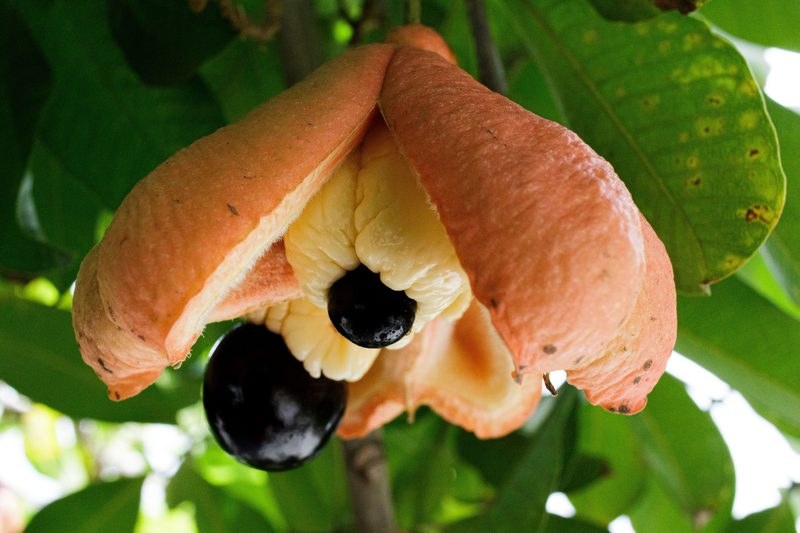
Ackee and saltfish is widely recognized as Jamaica’s national dish. Check the current menu for availability.
Is Caribbean jerk the same as Jamaican jerk?
Jerk is a Jamaican cooking tradition associated with seasoning and slow cooking or grilling. The exact heat level and preparation vary by cook.